General Dentistry 101: What Every Checkup Actually Covers
A behind-the-scenes look at what happens during a routine exam — and why it's the cheapest dental care you'll ever get.
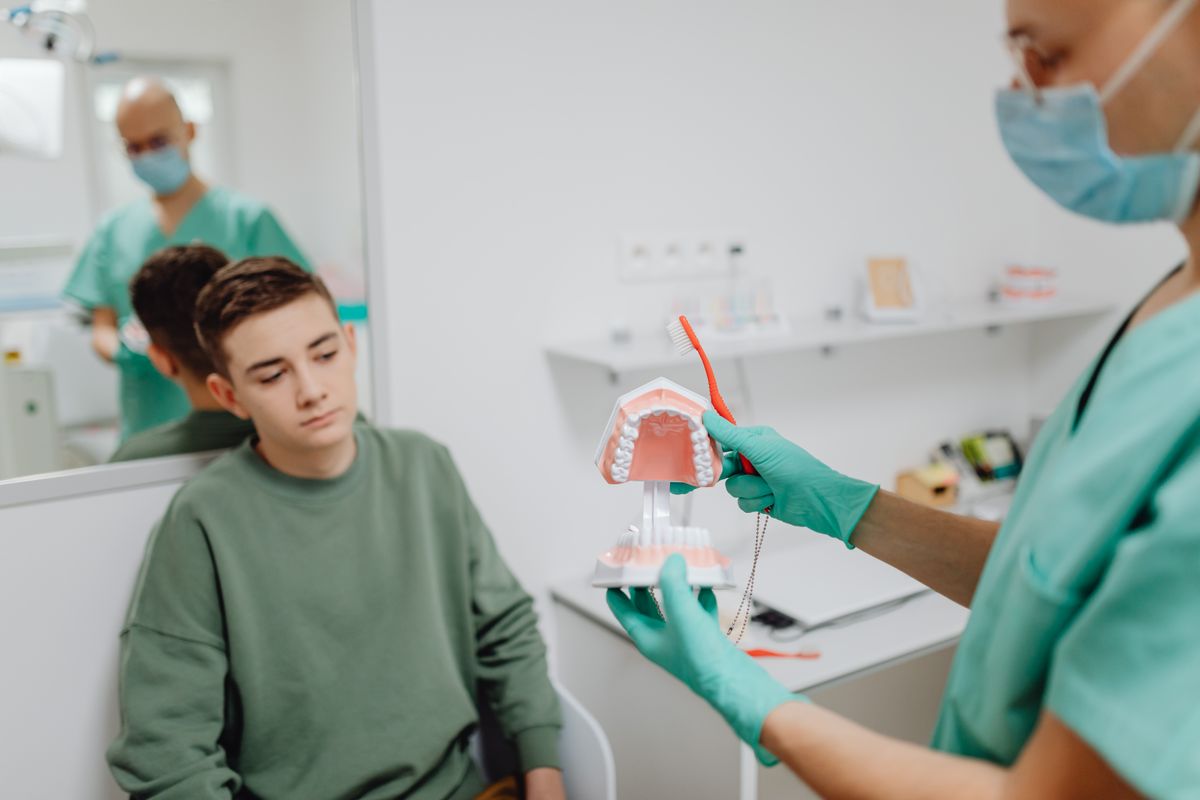
It's more than "just a cleaning"
A routine general dentistry visit is doing more work than it looks like from the chair. Beyond the cleaning itself, your dentist is checking your bite, screening for oral cancer, evaluating your gums for early inflammation, and reviewing X-rays for decay that hasn't yet caused any pain — often the whole reason it's still cheap to fix.
Why X-rays matter more than people think
A huge share of early cavities form between teeth or beneath old fillings, in places a visual exam simply can't see. Digital X-rays catch these long before they'd otherwise announce themselves with pain, which is precisely the difference between a small filling today and a root canal or crown a year or two from now.
What a typical visit includes
- A full exam of teeth, gums, bite and soft tissue
- Digital X-rays (frequency depends on your individual risk)
- An oral cancer screening
- Professional cleaning and polish
- A plain-language summary of anything found, and next steps if needed
How often you actually need to go
Six months is the standard interval, but it's a starting point, not a rule carved in stone. Patients with a history of cavities or gum inflammation are often seen more frequently, while very low-risk patients with excellent home care can sometimes stretch that interval — your dentist should be adjusting your recall schedule to your actual risk, not a generic calendar.
The financial case for going regularly
Preventive visits are, dollar for dollar, the cheapest dental care available. A cavity caught at a routine checkup might mean a small filling; the same cavity left unchecked for a year can mean a crown or root canal costing many times more. Skipping checkups to save money is one of the most common ways people end up spending far more later.